The Nigerian construction landscape is evolving. We are moving past an era where buildings were just “bricks and mortar” to a time where structures are judged by their humanity. In today’s world, a building isn’t truly functional if it isn’t accessible to everyone—regardless of their physical ability or age.
For any forward-thinking construction firm or community developer, prioritizing Universal Design is no longer just a “nice-to-have” feature; it is a moral imperative and a savvy business strategy.
1. Universal Design: Beyond the Standard Ramp
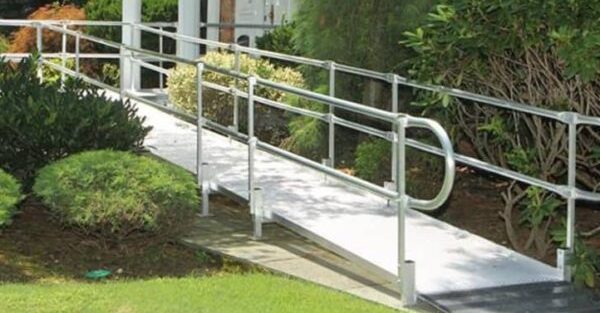
When people think of accessibility, they often think of a single concrete ramp tucked away at a side entrance. Real innovation, however, lies in Universal Design—the art of creating environments that are inherently usable by all people to the greatest extent possible.
This means designing entrances that are level with the ground, installing doors that are wide enough for both wheelchairs and heavy equipment, and ensuring that the “flow” of a building is intuitive. When we build with inclusivity in mind, we create spaces that serve a mother with a stroller just as well as a professional athlete or a person using a wheelchair.
2. Dignity in Detail: The “Toilet-Accessible” Standard
One of the most overlooked aspects of construction is the restroom. A truly inclusive building features accessible toilets that go beyond just a larger stall. Innovation in this area includes:
- Correct Grab-Bar Placement: Strategically placed for maximum leverage.
- Non-Slip Flooring: Vital for preventing accidents in high-moisture areas.
- Touchless Technology: Low-reach sensors for faucets and flushes that assist those with limited manual dexterity.
By integrating these features, companies demonstrate respect for the dignity of every visitor, employee, and community member.
3. The Economic Case for Inclusive Building
Inclusivity is good for the bottom line. In Nigeria, the “Gifted and Disabled” demographic represents a massive, untapped pool of talent and consumers.
- Increased Property Value: Buildings that meet international accessibility standards (like those set by the ADA or ISO) are more attractive to multinational tenants and NGOs.
- Future-Proofing: As the population ages, the demand for “age-in-place” infrastructure increases. Building accessibly now saves on expensive retrofitting costs later.
4. Community Launch: Building Trust Through Infrastructure
At our recent Community Launch events, we’ve seen firsthand how infrastructure acts as a bridge. When a community sees a company investing in high-quality ramps, tactile paving, and inclusive training centers, trust is built. It signals that the company isn’t just “in” the community, but “for” the community.
5. Compliance and Modern Standards
With the passage of the Discrimination Against Persons with Disabilities (Prohibition) Act in Nigeria, accessibility is becoming a legal requirement for public buildings. Construction firms that lead the way in inclusive architecture today will be the industry giants of tomorrow, staying ahead of regulations while setting a new standard for excellence.
Conclusion: Constructing a Better Future
Accessibility is not a limitation on design; it is a catalyst for innovation. By choosing to build with inclusivity at the core, the construction industry in Nigeria can move toward a future where no one is left outside the gate.
Are you ready to transform your next project into a landmark of inclusivity?