From physical infrastructure like ramps to digital training tools, inclusive design is rewriting the corporate playbook. Here is how these solutions are transforming the way we work.
1. Physical Accessibility: More Than Just a Ramp
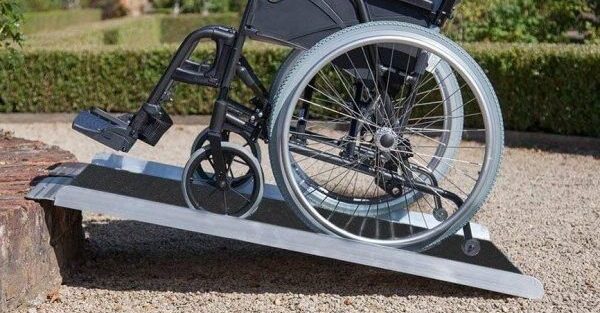
When we talk about accessibility, the ramp is often the first thing that comes to mind. But true inclusive design goes much deeper. It’s about creating a seamless experience from the parking lot to the boardroom.
- The Accessible Entryway: Modern offices are replacing heavy manual doors with sensor-activated entrances, ensuring that everyone—regardless of mobility—can enter with dignity.
- Restroom Revolution: We are seeing a shift toward toilet-accessible designs that include grab bars, lowered sinks, and emergency call buttons. These aren’t just “extra” features; they are essential for independence.
- Wayfinding: Intuitive signage with Braille and high-contrast visuals helps neurodivergent employees and those with visual impairments navigate large office complexes without stress.
2. Innovation in Training: Unlocking Gifted Potential
Training is the heartbeat of any growth-oriented company. However, traditional training methods often leave out individuals with different learning styles. Inclusive innovation in training means:
- Adaptive Learning Platforms: Using AI-driven software that adjusts the pace and format of content—offering text-to-speech for the visually impaired or captioned videos for the deaf.
- Multi-Sensory Workshops: Moving beyond slides and lectures to include tactile and kinesthetic learning, ensuring that “gifted” minds that process information differently can shine.
- Skill-First Mentorship: Shifting the focus from “how you learn” to “what you can do,” allowing disabled and gifted individuals to showcase their unique problem-solving abilities.
3. The “Curb-Cut Effect”: Why Everyone Wins
The “Curb-Cut Effect” is a design phenomenon: when you create a solution for a specific group (like a ramp for wheelchair users), it ends up benefiting everyone.
- Ramps help delivery workers with heavy carts and parents with strollers.
- Captions help people in noisy environments or those learning English as a second language.
- Ergonomic furniture designed for accessibility reduces back pain for every single employee.
By designing for the “edges,” you create a better experience for the center.
4. Community Launch: Building a Culture of Belonging
Accessibility isn’t just about wood and wire; it’s about community. Our recent community launches have proven that when a company opens its doors to everyone, the atmosphere changes.
A successful community launch involves:
- Local Collaboration: Partnering with disability advocacy groups to ensure designs meet real-world needs.
- Entertainment as Advocacy: Using music, dance, and art at launch events to celebrate the diverse talents of the disabled and gifted community.
- Consulting Feedback Loops: Creating a “living lab” where employees and community members provide ongoing feedback on how to improve workplace accessibility.
Conclusion: The Future is Inclusive
The data is clear: inclusive companies are 1.7x more innovative and see significantly higher employee retention. By investing in ramps, accessible toilets, and adaptive training, Nigerian businesses are not just checking a box; they are tapping into a reservoir of untapped talent.
Inclusive design is the bridge between potential and performance. Is your workplace ready to cross it?